

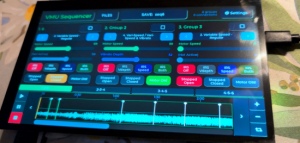
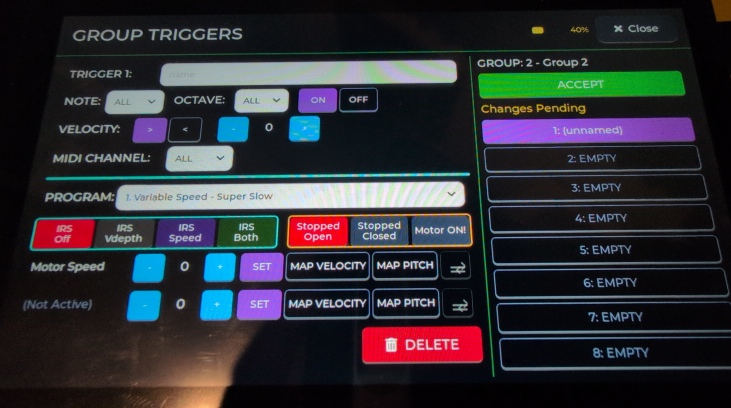
Completing V2
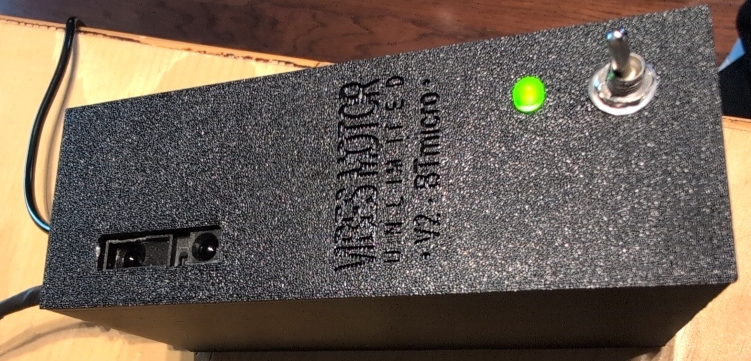
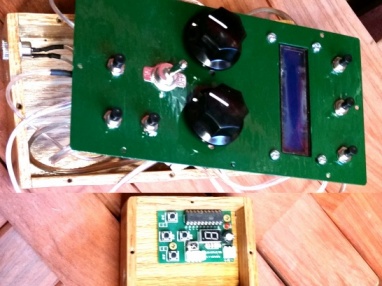
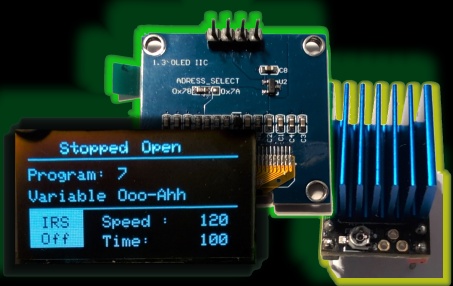
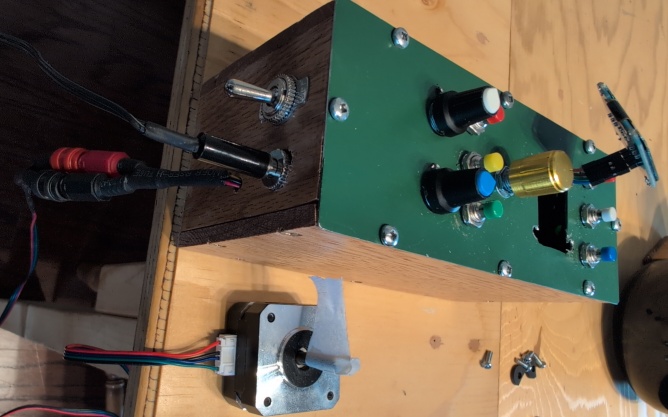
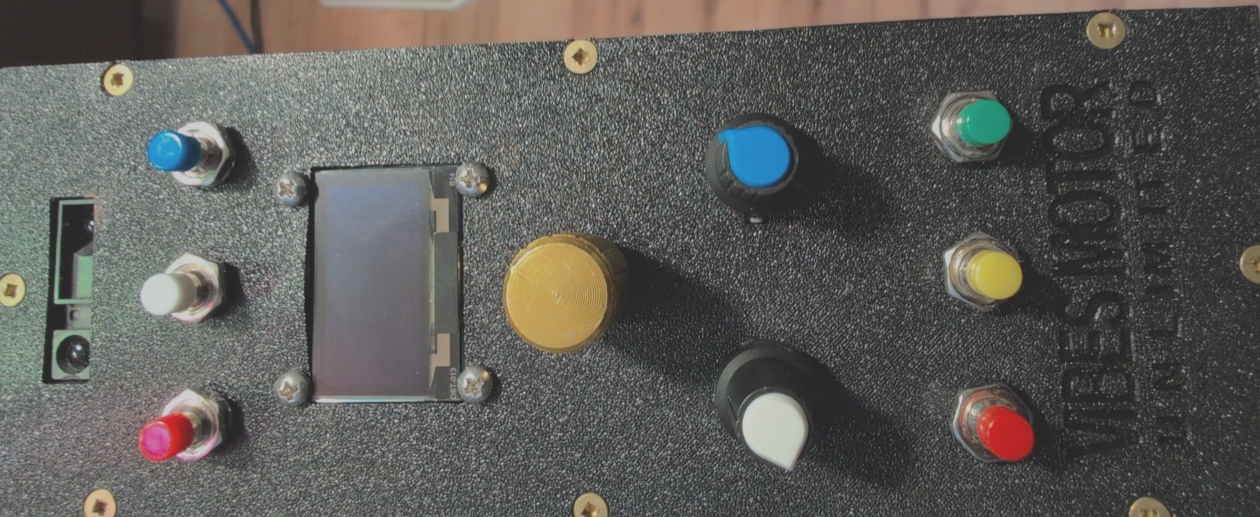
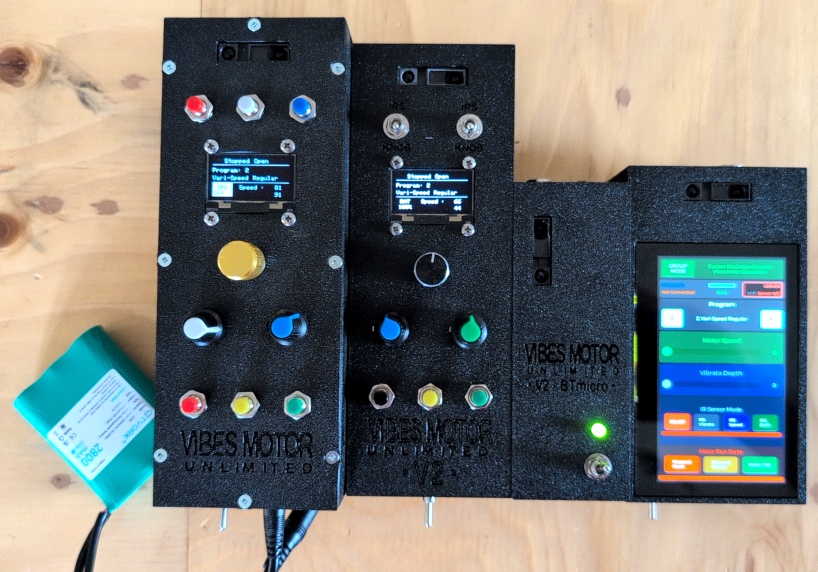
Back from the trip, hardware work began again in earnest. The V2 had all its components placed in the 3D printed box and wiring completed. Getting the power supply and battery monitoring system working in practice took quite a bit of problem solving — but eventually it all came together, and the satisfaction of a fully built-in, internally monitored rechargeable battery was real.
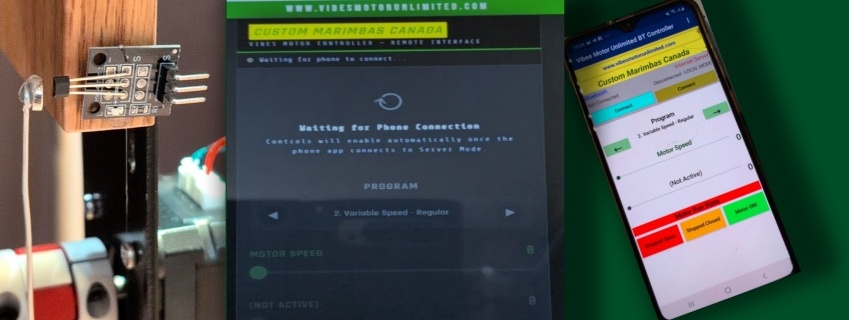
Testing brought its own round of modifications — to the app, to the server software, and to the V2 code itself — to get everything working exactly as intended. The result was worth it: a three-device system where the physical control box, the phone app, and the web interface all stay perfectly synchronised. Change a setting on any one of them and the other two update automatically.
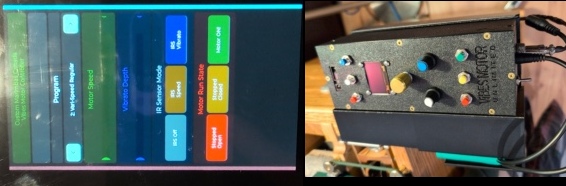
Battery information was added to the app and webpage, and the app was given the ability to automatically detect which hardware version it was connected to. This mattered because V2 uses only the two toggle switches for IR control — so when the app connects to a V2, it automatically greys out the IR assignment buttons and shows device status only. The system knows what it's talking to and adapts accordingly.
A three-device system — webpage, app, physical box — all working together and synchronised. Change one, and the other two follow.
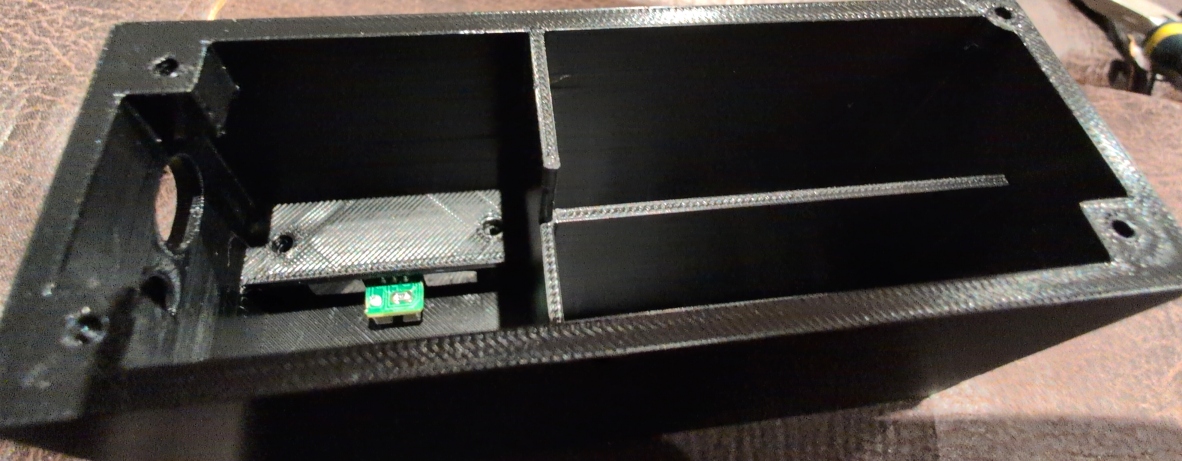
Once V2 was complete and running well, the V2 BT Micro came together quickly. Smaller box, matching clip-on caddy, same battery system — but stripped right back. No display, no knobs, no buttons on the face. Just a power switch and a power LED on the top. The wiring was the same as V2 but less of it, and the code was the same but less of that too. Straightforward and clean.
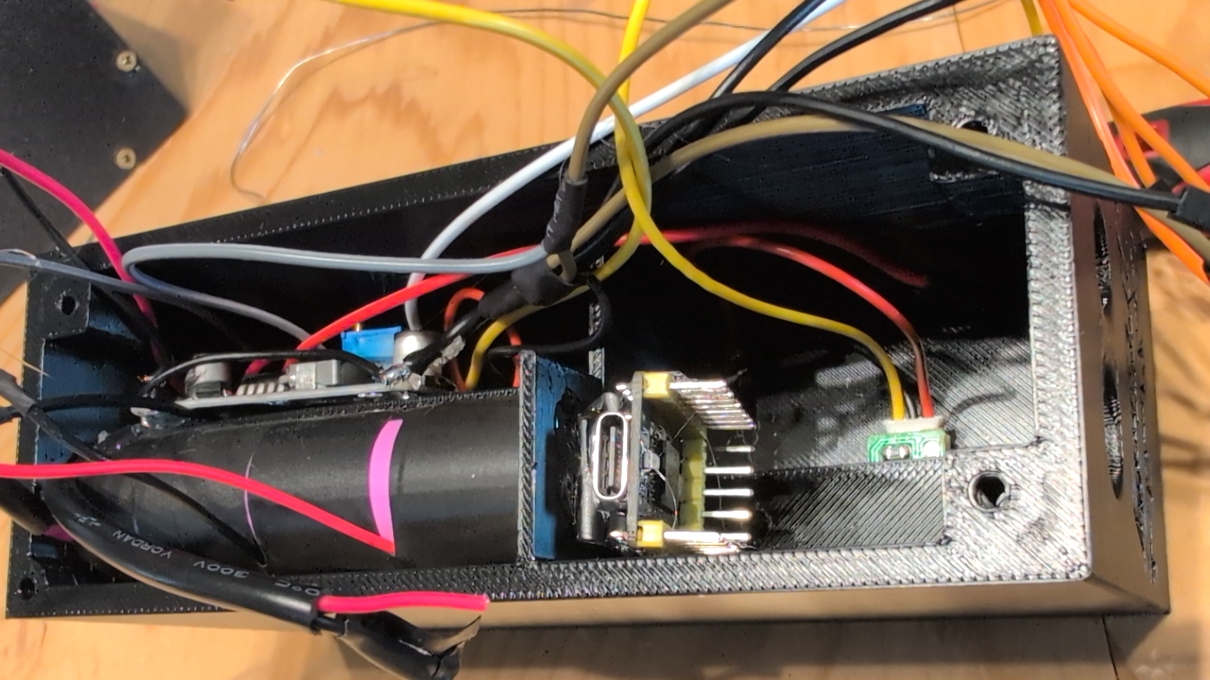
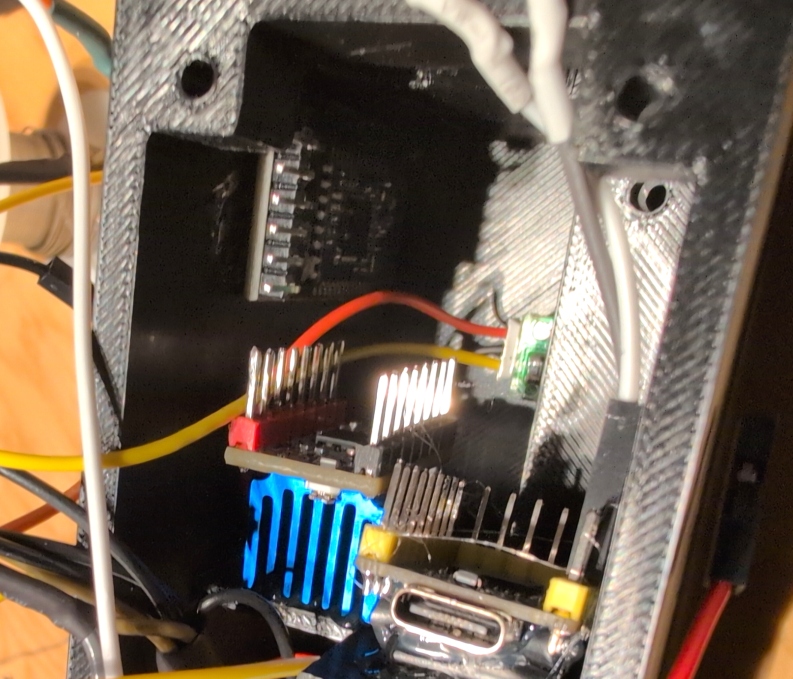
By the time May arrived, both V2 versions were fully finished and functioning. Attention then turned briefly back to V1 for a small but meaningful update. Originally V1 had three IR states — off, vibrato depth, and speed. The newer versions had four, including a BOTH mode where the IR sensor controlled both variables simultaneously. With a small code change, the same three hardware buttons on V1 were made to deliver all four possibilities: off still turns IR off entirely, but the other two buttons now each toggle their variable between knob and IR — meaning either one, or both together, can use the IR sensor.
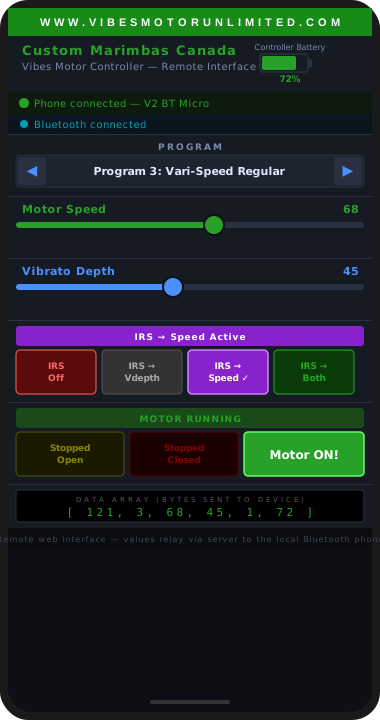
The V1 Bluetooth module was also swapped out — the original HC-05 replaced with the same HM-10 module used in V2 and V3. Now all versions connect to the same app, and the app correctly reflects the IR state for whichever version it's talking to.
With V1 updated and both V2 versions complete, the three-device web interface was fully operational — the server webpage, the phone app, and whichever physical box was connected all talking to each other in real time. It was now time to turn full attention to finishing V3.