

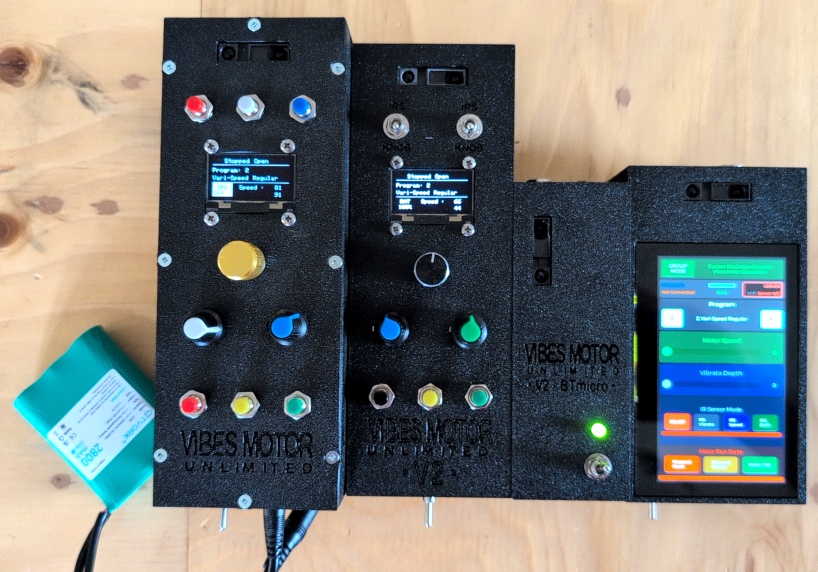
Expanding and Perfecting Control
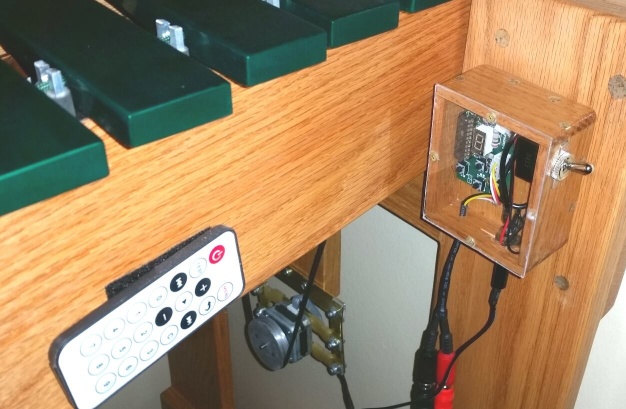
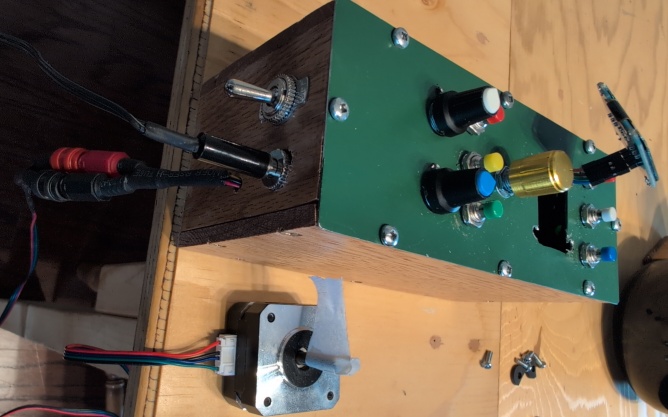
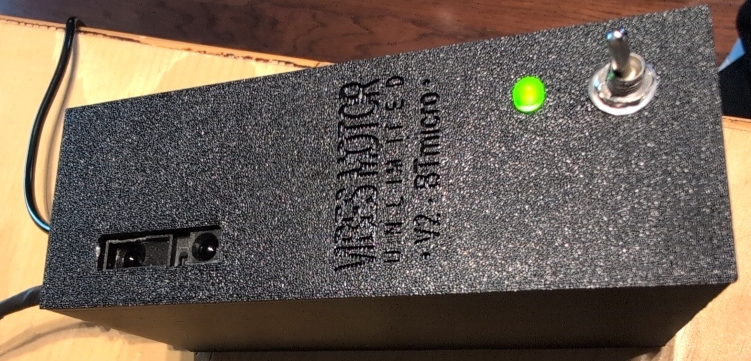
February was a month of massive progress — but it didn't start that way. With a system that basically worked, the infrared sensor was mounted on the control box and the focus turned to final debugging of the code. Things ran well most of the time, but occasionally there was a crash that required a restart. The frustrating part was the nature of the problem: fixing one thing seemed to cause something else to misbehave. Code changes were made over and over, and after more than a week of effort it felt like no real ground had been gained at all.
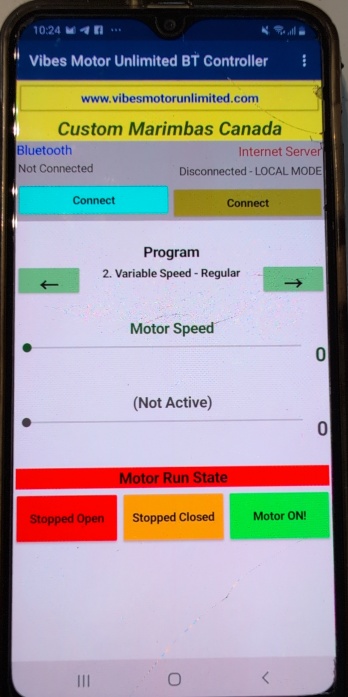
The decision to enlist the help of Claude AI changed everything. In a single day, working through the code together, every outstanding issue was identified and resolved — completely, cleanly, without compromise. And with all the bugs gone, there was still time that same day to move on to an entirely new part of the project: a phone app to connect to the control box via Bluetooth. Most of the base app was built that same day too. After a week of feeling stuck, the project had leapt forward further in one day than it had in weeks. The difference was remarkable.
I was empowered to move forward with the project like never before. The feeling of making real progress again was extraordinary.
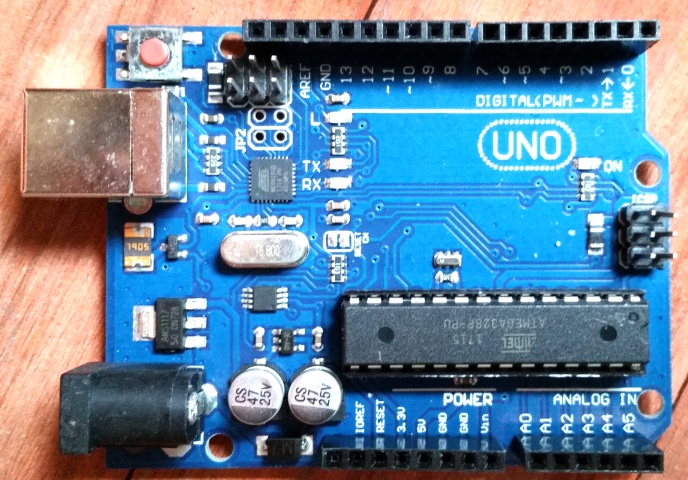
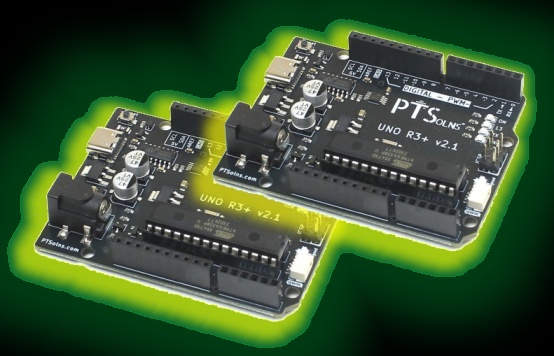
Energised, it was back to Amazon. A Bluetooth module was ordered to integrate with the Arduinos — and alongside it, a Hall effect sensor. With confidence restored, it felt like the right moment to finally tackle one of those long-standing problems: keeping the motor at a known zero position, automatically, every time the system powered on. No manual adjustment. No guesswork about where the fans had stopped.
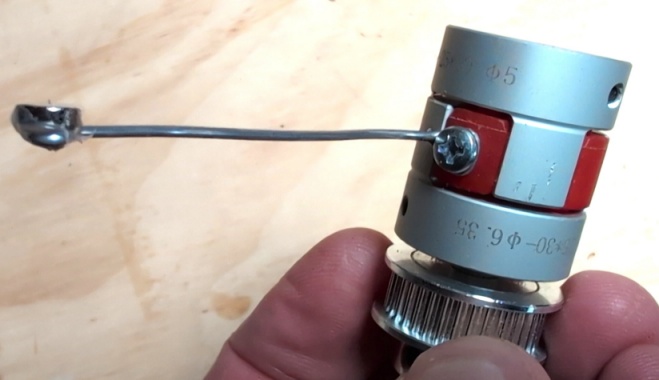
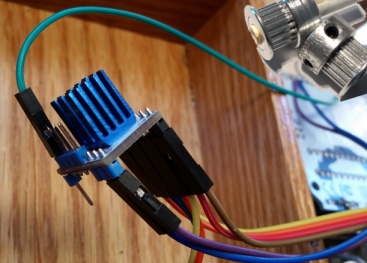
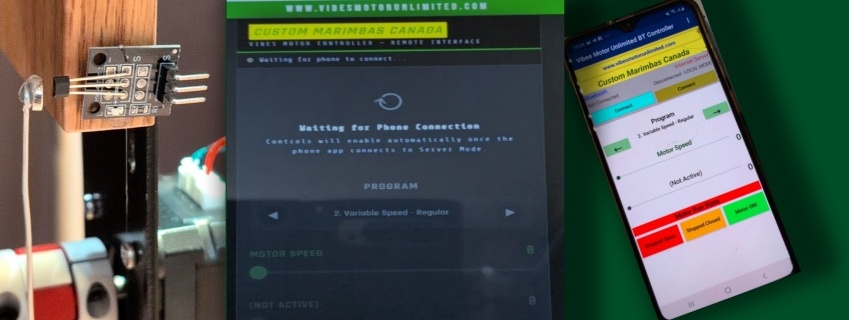
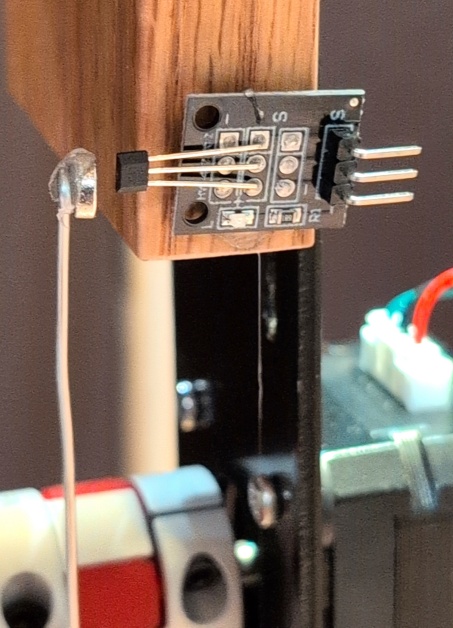
The Hall effect sensor arrived quickly. It was wired into the motor-driving Arduino and mounted beside the motor on the frame. A short length of aluminium wire — non-ferrous, so it wouldn't interfere — was attached to the spider coupling, holding a tiny magnet at its tip. Once per revolution, the magnet sweeps past the sensor and resets the zero position in the code. A small addition to the startup sequence ensures that before anything else happens, the motor homes the fans to fully open. An old problem, solved at last — and quite elegantly.
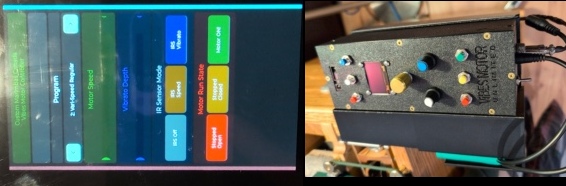
The Bluetooth module would take a little while to arrive, but the phone app was moving quickly with AI assistance, so attention turned to what had previously felt like a future dream: remote control over an internet connection. The approach was deliberate — rather than controlling the motor directly over the internet, the connection would route through the phone app, so the local user always retained control. With AI handling the heavy lifting on the code, a fully functioning HTML webpage interface for internet control was built and uploaded to the server faster than seemed possible. Then the phone app was modified to integrate with it.
All this progress on the app and internet control, but I couldn't test any of it without the Bluetooth module...
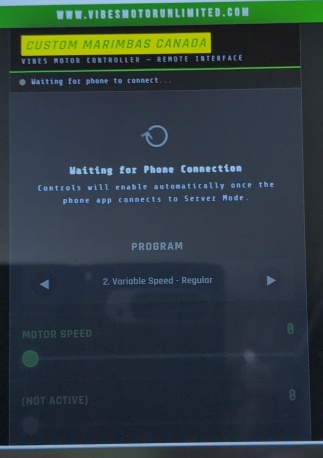
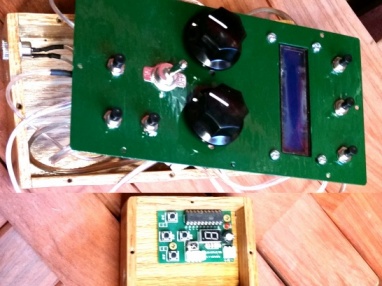
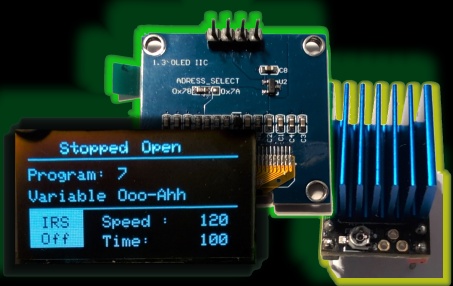
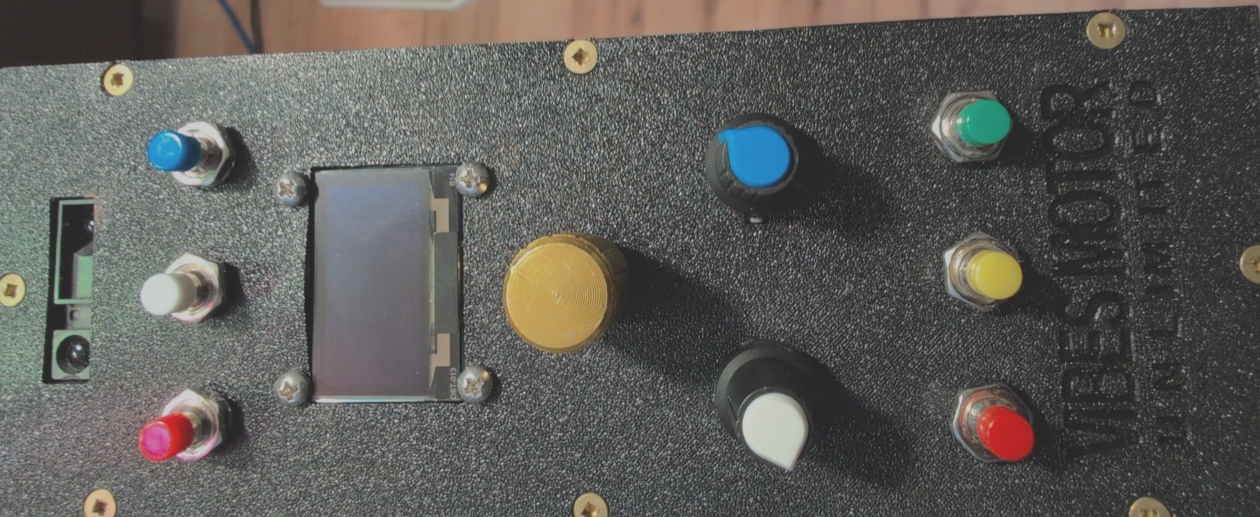
Before long it was all working together. The phone app could be used instead of — or alongside — the physical control box. Whatever mode was active, the OLED display showed what was happening. And now the phone could switch to internet mode, handing control to a remote user over the web. Whatever changes the remote user made on the website happened simultaneously on the phone and on the OLED. A performer, a conductor, a collaborator in another room entirely — any of them could now drive the motor. It felt genuinely high-tech. Proper control, in every sense of the word.