

Finishing Up
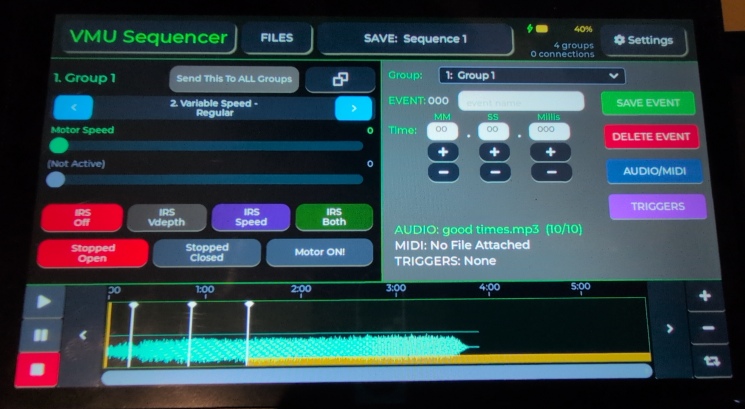
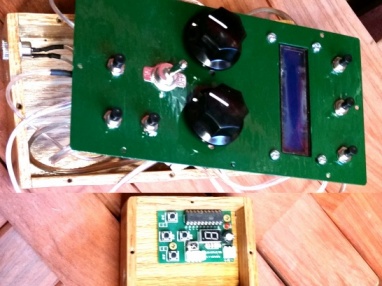
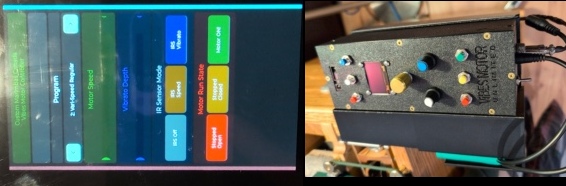
A lot of extra programming and features were added to the Conductor/Sequencer Master unit throughout July. A dedicated audio output was added, routed from the board's GPIO — so now the audio can drive headphones or line-level output in genuine high-quality stereo. A flatpack Li-ion battery was fitted alongside a monitoring module, allowing the whole Master unit to work completely disconnected from mains power. Battery monitoring widgets were added to the GUI across every screen of the device, so charge status is always visible no matter what mode it's running in.
A significant addition came from putting the board's USB-A port to work in host mode. First, this meant the unit could read and write files directly from an ordinary flash drive — making importing and backing up audio, MIDI, and device files fast and simple. Second, it opened the door to using a USB MIDI controller. MIDI files can now be attached to sequencer timeline events, exactly like MP3 files already could.
But the real breakthrough was MIDI input. Triggers from incoming notes can now do a huge range of things — assigning specific notes, velocities, or ranges to trigger a controller state, jump to a sequence flag, or start and stop playback. Beyond simple triggers, MIDI velocity or pitch range can be mapped directly to motor speed, vibrato depth, or any other parameter.
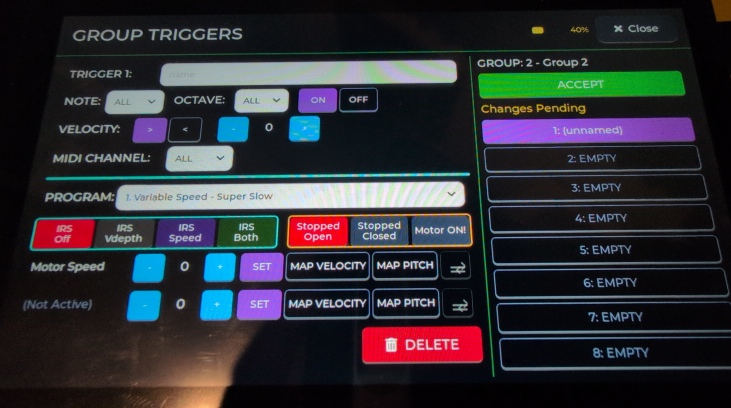
It's a genuinely cool feature. Set up a group's motors to run faster as the MIDI keyboard is played louder. Increase vibrato depth as the player moves higher up the keyboard range. Whatever can be imagined, it can very likely be mapped.
Set the motors to speed up as the player plays louder, or deepen the vibrato as they climb higher up the keyboard. If you can imagine the mapping, you can build it.
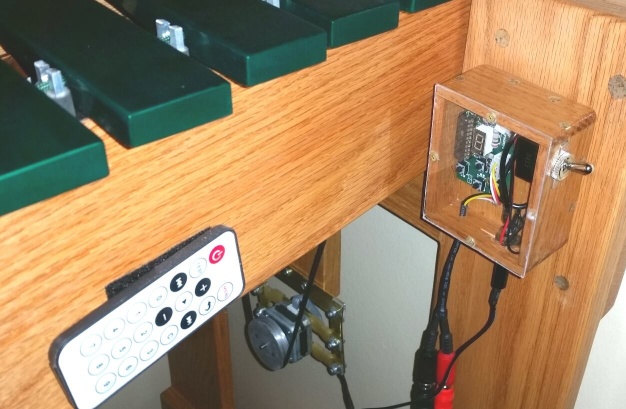
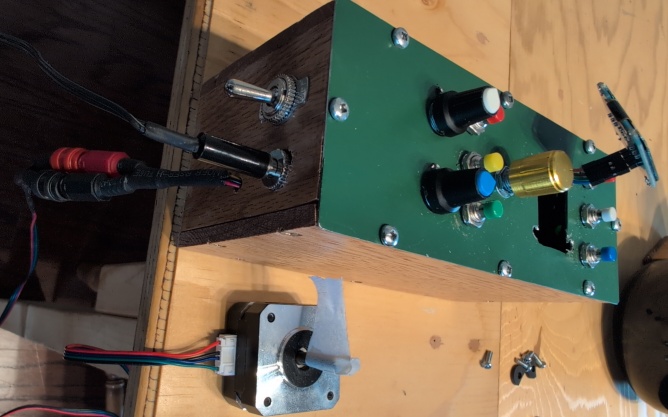
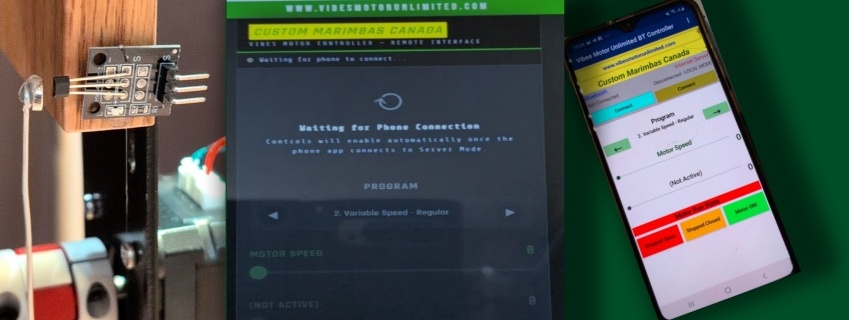
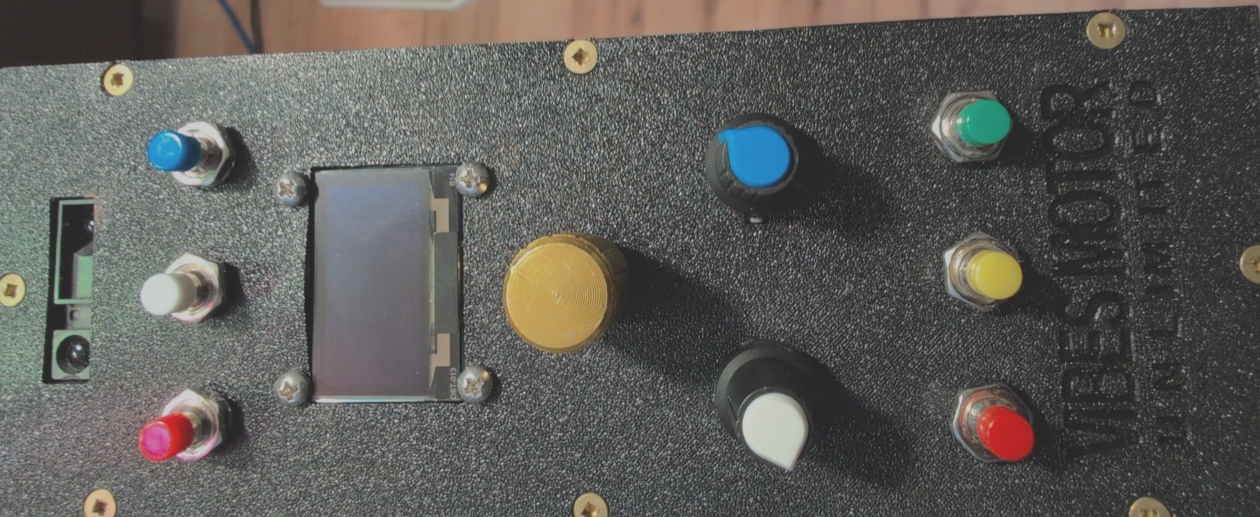
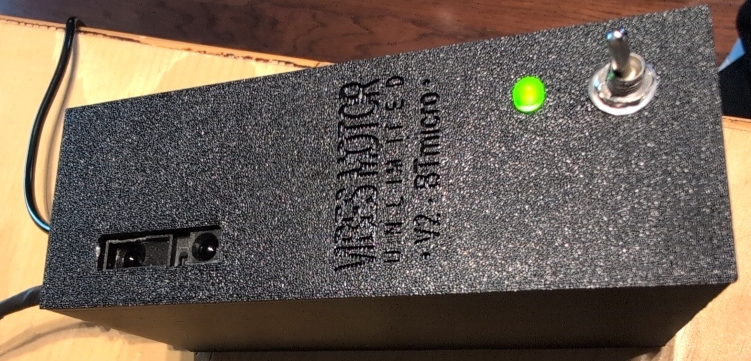
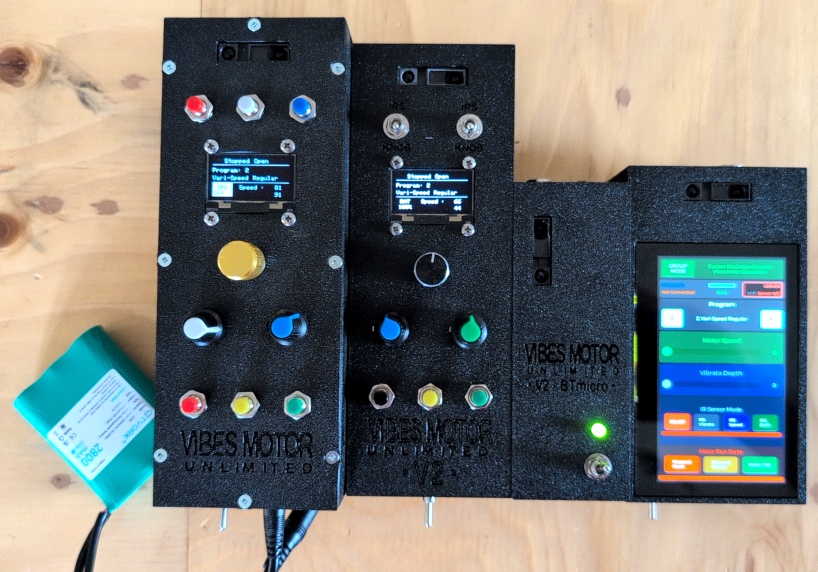
Alongside the Master unit, the other controller versions weren't left behind. Every one of them received the new 3-pin accessory jack for the pedal program and future accessories yet to come, and had Program 15 added to their firmware. The phone app was also updated — no longer just Group mode or Solo mode, but a full group number selector from one to ten. The V3 device already supported this natively when connected via its own Wi-Fi, but updating the phone app meant every other controller connecting via Bluetooth got the same capability instantly.
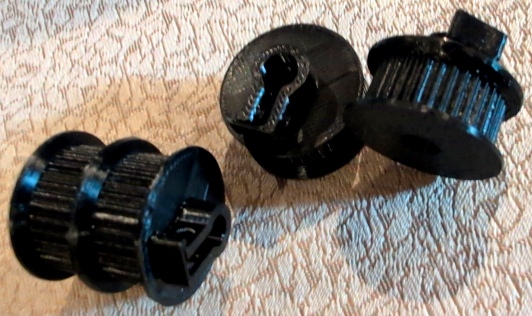
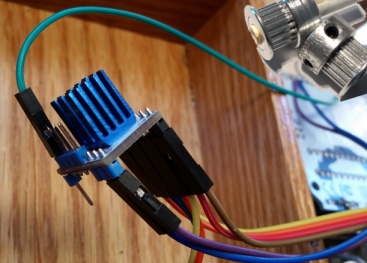
Some of the physical mechanical components got an upgrade too. Parts like the toothed pulleys and connecting shafts — previously purchased separately and assembled by hand — can now be 3D printed as complete units. A saving in cost, and a much better guarantee of consistent compatibility between parts across every build.
These features represent the final pieces needed before the downloadable products can be made ready for sale in their full, complete form.